


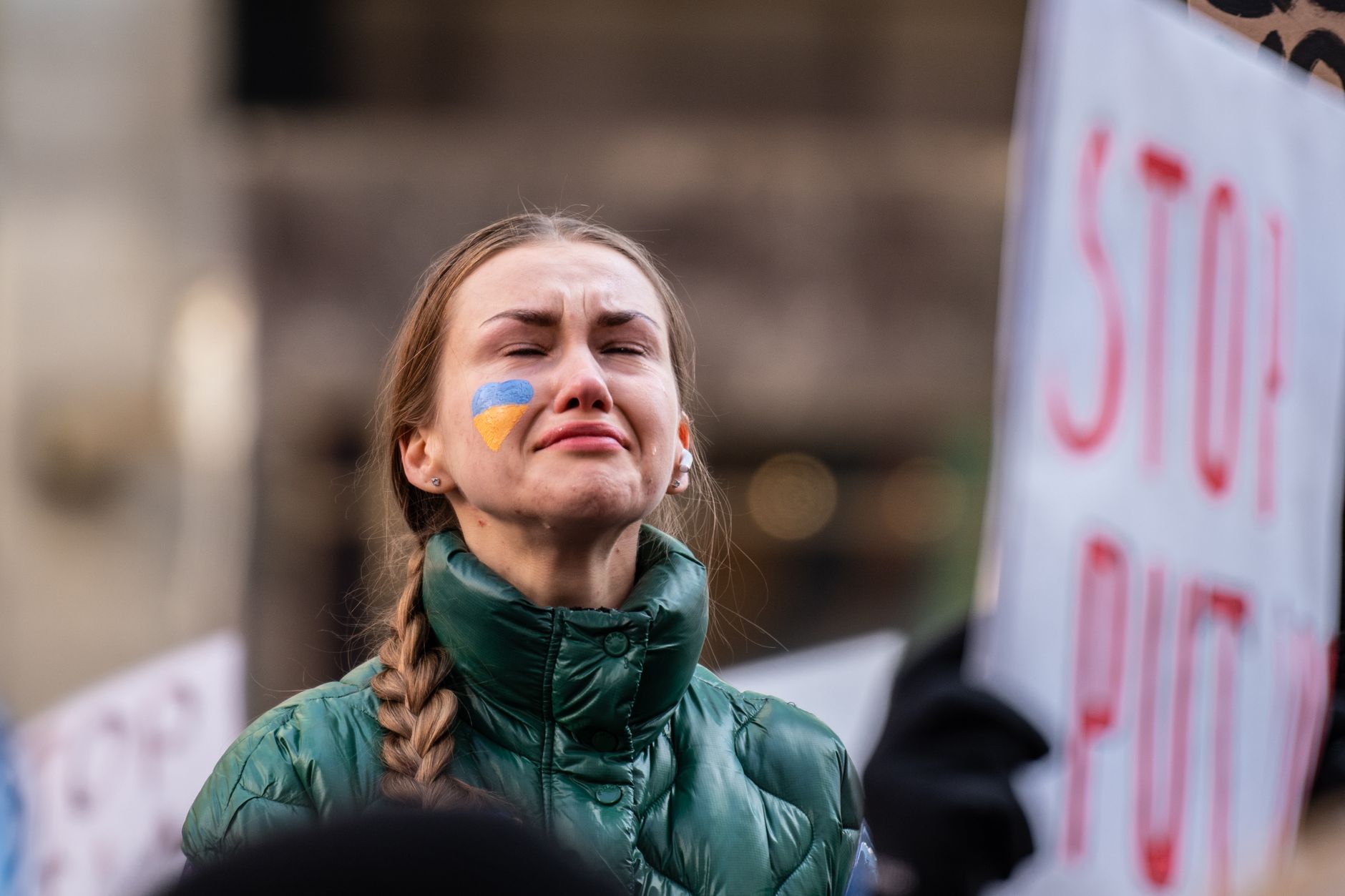
Russia’s war against Ukraine is entering a more uncertain stage as pressure builds inside the Kremlin’s political system, according to an analysis by Carnegie Russia Eurasia Center senior fellow Tatiana Stanovaya. While President Vladimir Putin’s government is not facing an immediate collapse, growing concerns among Russia’s elites about the economic and human costs of the war are creating new tensions between those seeking further escalation and those calling for a more pragmatic approach. A rare public intervention by billionaire Andrey Melnichenko has highlighted emerging divisions within Russia’s ruling establishment.
Four years into Russia’s full-scale invasion of Ukraine, the conflict is moving into a phase defined not only by battlefield developments but also by growing political pressures inside Russia, according to analysts.
Billionaire Melnichenko’s Intervention Raises Questions About Elite Sentiment
One of the most notable recent developments has been a public intervention by Russian billionaire Andrey Melnichenko, whose comments in The Economist represented one of the most significant statements from a member of Russia’s business elite in years. According to Stanovaya, Melnichenko presented a vision of Russia’s future that emphasized economic modernization, improved relations with the outside world, and a less confrontational direction.
Related: Trump Makes Visa Bond Program Permanent
The significance of the intervention was amplified because Melnichenko reportedly made the comments with the Kremlin’s knowledge. Rather than openly challenging Putin’s authority, he positioned himself as someone seeking to support Russia’s interests while advocating a different strategic direction. The episode has drawn comparisons with previous moments when figures close to the Kremlin expressed dissatisfaction only after internal tensions had already intensified.
The current situation has similarities with the events leading up to the 2023 rebellion by Wagner Group leader Yevgeny Prigozhin, according to Stanovaya. Prigozhin had long operated within Putin’s system, supporting Russian military objectives abroad. However, growing frustration within Wagner over military leadership and battlefield failures eventually escalated into an armed uprising against Russia’s military establishment. Although the business elite and Wagner represented very different parts of Russian society, the broader lesson for the Kremlin is similar: dissatisfaction among insiders can become politically significant when ignored for too long.
Elites Shift Focus From Victory to Damage Control
According to the analysis, the attitudes of Russia’s ruling circles have changed significantly since the beginning of the invasion. Previously, many officials and business leaders reportedly focused on questions surrounding possible gains from the war, including control over occupied Ukrainian territory, restrictions on Kyiv’s military capabilities, or forcing Ukraine into neutrality. Now, attention has increasingly shifted toward limiting the economic and political damage caused by the conflict.
The concern among some elites is not simply that Russia may lose militarily. Rather, the deeper anxiety is that the war has created a widening gap between the Kremlin’s objectives and the costs required to pursue them. The war has placed significant pressure on Russia’s economy, government resources and international position, while the possibility of achieving Moscow’s original political objectives remains uncertain.
Related: Fauci Takes Fifth at Senate Hearing
Stanovaya argues that some Russian officials, security figures and business leaders increasingly believe that Putin’s focus on Ukraine has weakened domestic governance. The Kremlin has attempted to operate the country as if it were fully mobilized for a prolonged confrontation with the West, while many state institutions continue functioning under conditions closer to peacetime administration. This creates tensions between wartime demands and existing political structures. The security apparatus has gained greater influence, while economic resources have increasingly been directed toward defense spending rather than broader development.
Two Competing Visions Inside Russia
The analysis identifies two opposing trends developing within Russia’s political system. The first vision supports continued confrontation. Under this approach, Russia expands military efforts, security agencies receive broader authority, domestic policies become increasingly shaped by wartime priorities and confrontation with the West deepens. Supporters of this approach argue that Russia must continue until it achieves its objectives in Ukraine.
The second vision calls for a more realistic assessment of Russia’s capabilities and goals. Supporters of this approach seek more effective economic management, reduced international confrontation and a reassessment of the costs of the war. Importantly, Stanovaya argues that this position does not necessarily represent an anti-Putin or anti-war movement. Instead, it reflects concerns among parts of the establishment that Russia’s current course may be unsustainable.
For the individuals running Russia’s state-owned enterprises and large private firms, the daily reality is that the war has become a massive drain on resources. The constant demand for capital to fund defense projects means that investments in modernizing factories or developing new technologies are being postponed indefinitely. This creates a risk that the country’s long-term economic competitiveness will erode while the leadership focuses on short-term military goals.
Related: Blodgett Partners On Nearly Every Tredway Deal
Why the Conflict May Continue for Years
Despite growing internal tensions, the Kremlin does not appear to face an immediate threat of collapse, according to the analysis. Instead, Russia is approaching a political crossroads. A continuation of the current situation—including battlefield stagnation, Western sanctions, economic pressure and declining resources for civilian development—could intensify internal disagreements. However, pressure does not automatically translate into political change.
The Kremlin has repeatedly responded to challenges with greater repression and tighter control over political space. The future trajectory of Russia’s political system will also depend on external factors, including Western policy toward Moscow. Russian hardliners have repeatedly used the argument of a “hostile West” to justify military escalation and domestic restrictions. At the same time, continued international pressure may deepen debates inside Russia about the sustainability of the current strategy.
The central question facing the Kremlin is whether it will continue along a path of escalation or move toward internal restructuring. For now, Putin’s government remains stable. But beneath the surface, growing tensions among Russia’s elites suggest that the war is reshaping not only Ukraine’s future but also the political future of Russia itself.


