


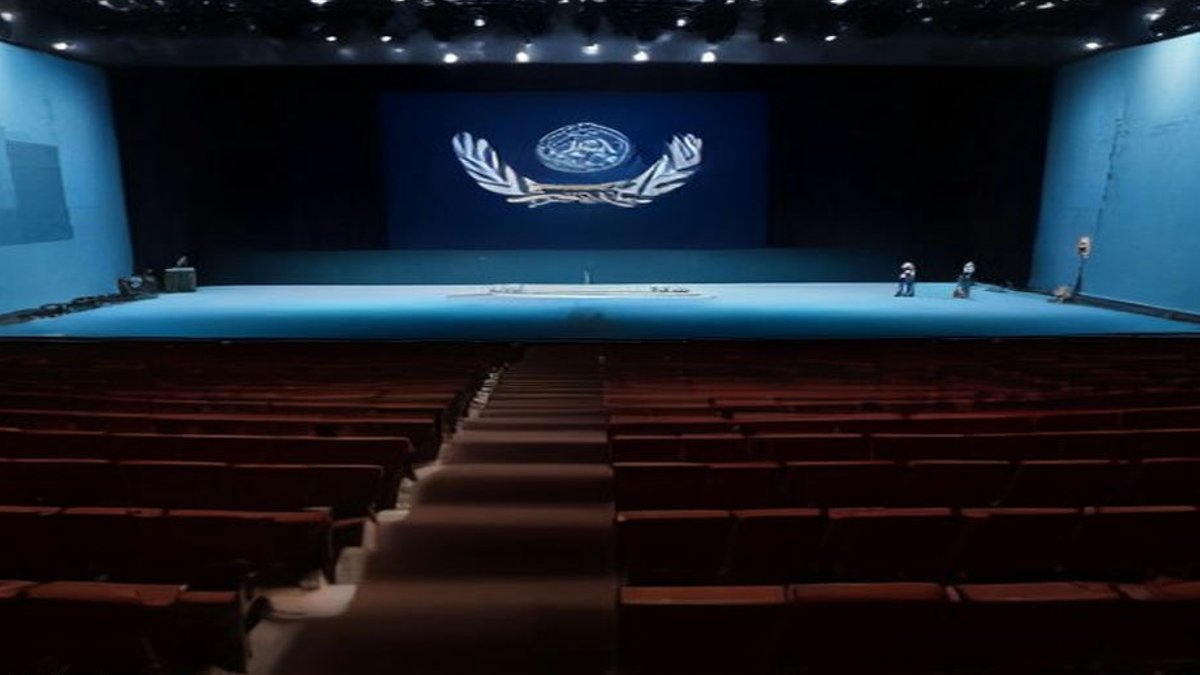
Nearly 200 nations are gathering in Armenia for critical discussions this week to revive a global biodiversity protection agreement that is increasingly off track. The meeting, called COP17, comes after a 2019 pledge to stop and reverse biodiversity decline by 2030—a deadline now in serious jeopardy due to years of slow progress.
Core objectives, including protecting 30% of Earth’s land and oceans, have not been achieved. Stricter obligations, such as phasing out harmful subsidies for fossil fuels and industrial farming, have seen minimal advancement. Armenia’s Prime Minister Nikol Pashinyan admitted Friday that “collectively, we are not yet on track as needed.”
Financial constraints and competing global challenges, including conflicts and energy shortages, have intensified the difficulties. Few world leaders attended a pre-summit meeting, though UN Secretary-General Antonio Guterres stressed the dangers of an ongoing “war on nature” that endangers long-term livability. His demand for “more action, more speed and more will” highlighted the need for immediate response.
A UN assessment before COP17 revealed uneven results across the 23 biodiversity goals, with some areas improving but none meeting the 2030 timeline. The most urgent issue remains funding: wealthier nations have urged emerging economies, including China, to increase contributions, while private investment, especially corporate donations to a nearly depleted UN conservation fund, could prove essential. Guterres condemned governments for persisting with fossil fuel subsidies, labeling the practice “subsidising suicide.”
Read Also: Oregon school shooting hero named amid gun control debate
The summit’s outcome depends on real implementation, not new declarations. Adil Najam, president of WWF International, described the situation plainly: The world does not need a new vision. We have one. What it needs is delivery.
As the two-week talks unfold, the focus remains on whether participating nations can translate decades of rhetoric into measurable outcomes. The 2030 deadline is now less than seven years away, and the gap between current progress and required action has never been wider. Whether COP17 marks a turning point or another missed opportunity will be clear by its closing statement, due for release on November 10.
Technical working groups have already begun drafting revised timelines for the Kunming-Montreal Global Biodiversity Framework, the 2030 plan’s core document. Early proposals suggest extending some deadlines, but environmental NGOs insist any delay must come with clearer funding guarantees. The UN’s biodiversity secretariat has warned that even minor postponements could trigger a cascade of missed targets, particularly in marine conservation, where coral reef protection efforts have stalled.


