


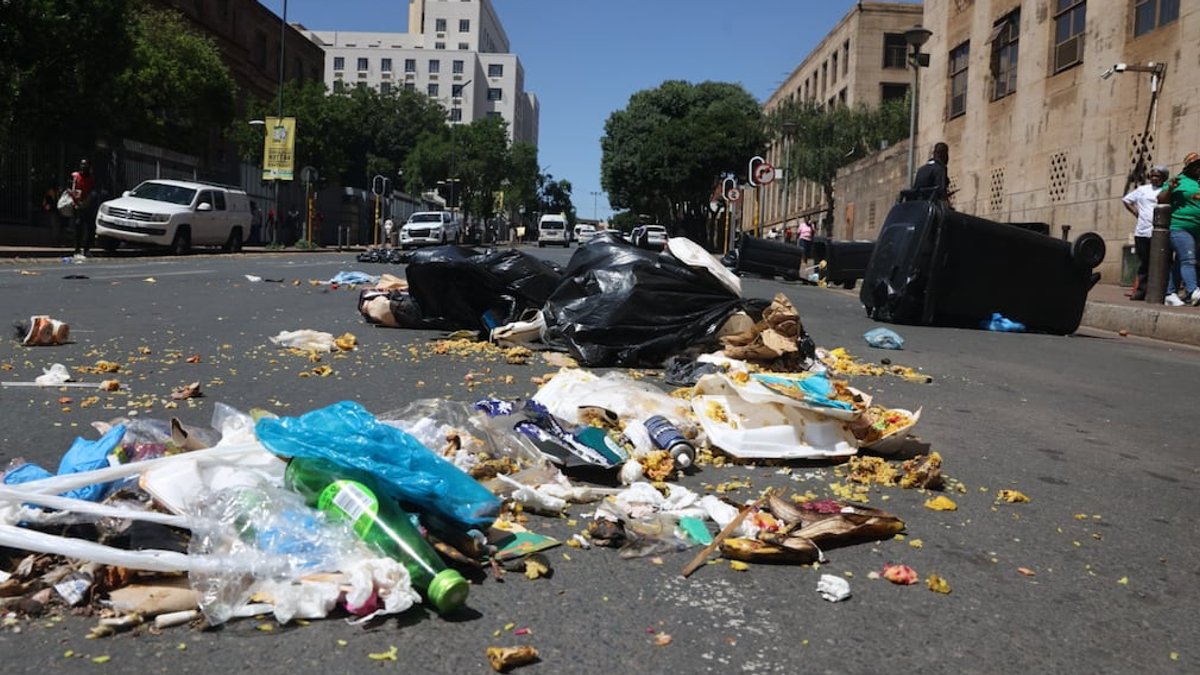
Johannesburg’s residential property market has been declining in real value for the past 10 years, with many homeowners facing the reality that their homes are no longer financial investments. This is despite the city’s reputation as a major economic hub, with some areas being referred to as the “richest square mile in Africa”.
In contrast, Cape Town’s residential property market has been thriving, with a 9% increase in property prices in 2025, according to the Stats SA Residential Property Price Index. Sectional title prices have risen sharply in lifestyle-driven areas such as the Atlantic Seaboard and the Cape Peninsula.
Property Price Trends
The average property price in Johannesburg has been stagnant, hovering around R1.3m for the past six years. Sales volumes have also fallen, from 37,000 in 2019 to under 35,000 in 2024. In contrast, homeowners in the Western Cape have enjoyed real growth of 35% since 2010, while those in Gauteng have seen their property values decline by 15.87%.
Other regions, such as Durban and Gqeberha, have also experienced declines in real property prices, despite their attractive locations and climates. This suggests that the difference in property price trends between Johannesburg and Cape Town is not solely due to location or lifestyle factors.
A haematologist who treats patients in the region notes that the quality of roads, reliability of utilities, safety of neighborhoods, and competence of municipal leadership all play a significant role in shaping property values. When these factors are positive, they can contribute to value creation and a better future for homeowners.
Local Government Performance
The performance of local government is a critical factor in determining property values, investor confidence, and ultimately, the wealth of residents. In the case of Johannesburg, the city’s potential to become a “world-class African city” has not been realized, and residents have been disappointed by broken promises and poor governance.
Read Also: South Africa’s Cannabis Act Stalled by Regulatory Delays
A writer who has lived in Johannesburg for many years notes that the city’s residents have been disappointed by politicians who have failed to deliver on their promises. As the city approaches a local election, residents are being called upon to hold their politicians accountable and to take a risk on optimism by voting for change.
As one resident prepares to cast their ballot, they reflect on the importance of this election in determining the future of Johannesburg. The outcome will have a direct impact on the city’s property values, economy, and the wealth of its residents. The resident is determined not to be disappointed again and is urging others to join them in taking a stand for better governance and a brighter future.
The Stats SA Residential Property Price Index shows that the gap between Johannesburg and Cape Town’s property markets is not closing. In fact, it appears to be widening, with Cape Town’s property prices continuing to rise while Johannesburg’s remain stagnant. This trend is likely to continue unless there are significant changes in the way the city is governed and managed.
This growth is not limited to Cape Town, with other areas in the province also experiencing significant increases in property values.
Election Impact on Property Values
On November 4, residents will cast their ballots, and the outcome will determine the direction of the city’s property market. The election is an opportunity for residents to choose optimism and to make it an emphatic action rather than just a philosophy.


