


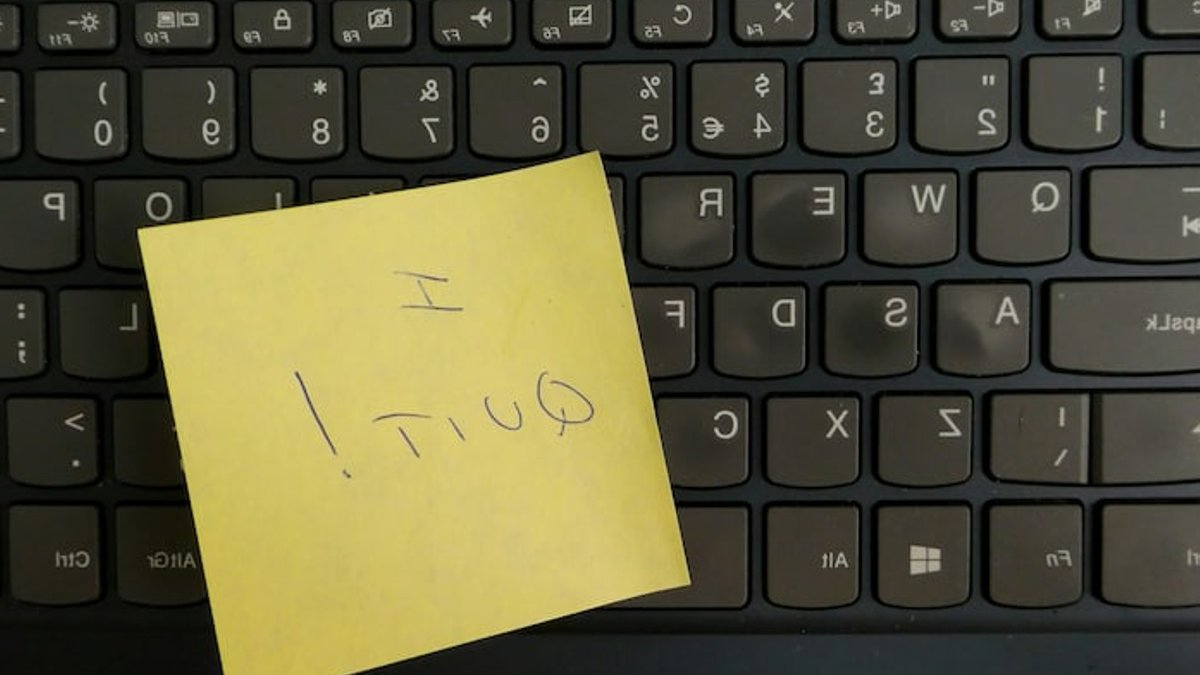
John Morgan, a Florida-based billionaire attorney and founder of Morgan & Morgan, has drawn criticism after 23 employees resigned within a week following the firm’s decision to enforce mandatory webcam monitoring for remote workers. The rule demanded active camera surveillance on work devices for those choosing to remain off-site, triggering strong opposition.
In an appearance on The Iced Coffee Hour podcast, Morgan attributed the departures to employee resistance against “supervision and accountability.” He claimed the resignations revealed that some staff members lacked the willingness to work under the new conditions. “The first week, 23 people quit,” he stated. They don’t want to work.” A later social media post from him escalated the remark, declaring, “We’re going to put a camera on your computer… We’re going to put a camera up your ass.”
Online reactions centered on privacy violations. A minority of respondents supported the measure, arguing that companies requiring office attendance should cover travel and relocation expenses instead.
Remote work policies have undergone significant changes in recent years, with certain employers adopting stricter oversight measures. The wave of resignations at Morgan & Morgan highlights growing conflicts between employer demands for control and employee demands for independence. Though some executives may support the firm’s approach to productivity, the swift departures demonstrate that surveillance—even when justified as a remote-work condition, can contradict established workplace norms.
Read Also: Pune trims Ganesh booze ban to two days
The company has not revised the policy or commented on whether the resignations will influence future hiring decisions or remote-work terms. The situation reveals how standard workplace regulations can become highly divisive when linked to invasive monitoring practices.
Morgan’s remarks have drawn particular attention for their bluntness, with critics arguing that the firm’s surveillance policy fails to respect basic professional boundaries. Legal and ethical concerns over workplace monitoring have intensified as remote work remains a permanent fixture for many industries.
Industry observers note that the controversy could prompt other firms to reconsider similar policies, given the potential for reputational damage and talent loss. The episode serves as a case study in how rigid oversight measures may backfire when imposed without broader consultation or clear justification.


