


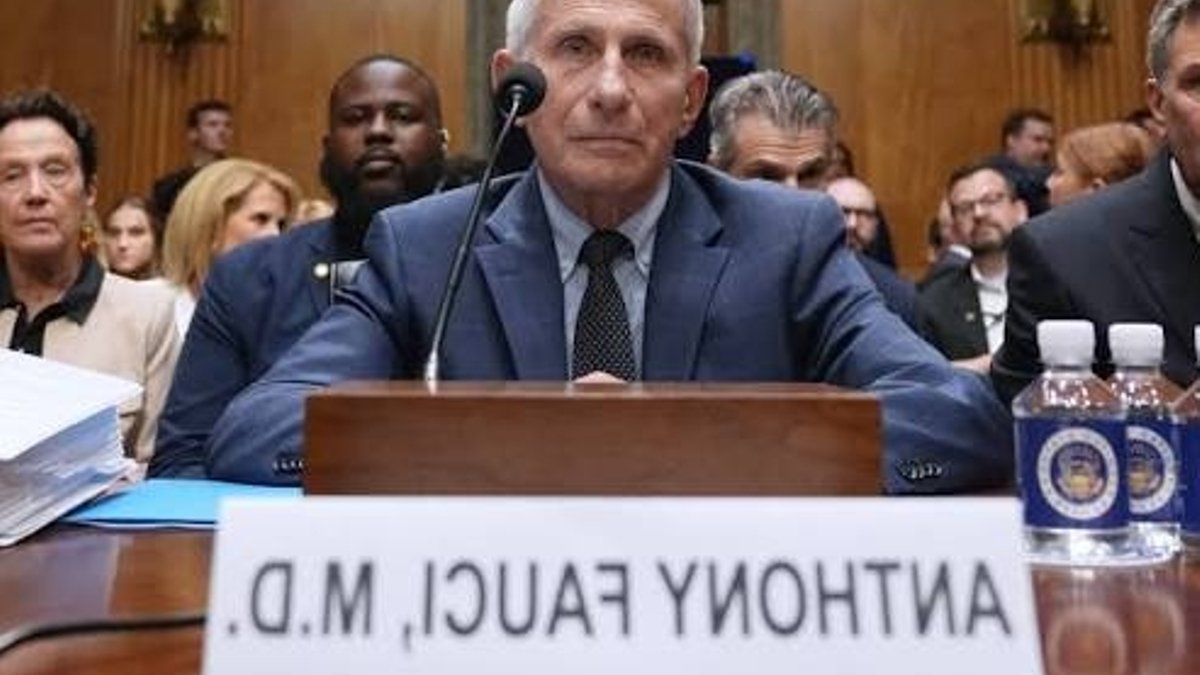
Dr. Anthony Fauci invoked his Fifth Amendment right more than a hundred times during a heated Senate hearing on Wednesday, refusing to answer questions from Republican lawmakers probing his role in the COVID‑19 response.
Republican inquiry turns into constitutional standoff
The hearing, chaired by Sen. Rand Paul of Kentucky, focused on federal research funding, inter‑agency communications, and statements made by the former National Institute of Allergy and Infectious Diseases director during the pandemic. As the questioning continued, Fauci repeatedly declined to respond, citing the constitutional protection against self‑incrimination.
According to the report, his legal team warned that any inconsistency between his testimony and earlier public remarks could be used to build a criminal case. The opening statement he delivered was reportedly revised several times to avoid waiving his Fifth Amendment rights.
Legal scholars note that invoking the amendment is a protection, not an admission of guilt. The Constitution states that no person “shall be compelled in any criminal case to be a witness against himself,” and attorneys often counsel clients to invoke the right when congressional questioning might expose them to legal jeopardy.
Related: How Consumer Taxes Shape Market Behavior
Sen. Rand Paul’s long‑standing criticism
Sen. Paul has been a vocal critic of Fauci since the pandemic began, repeatedly asking about NIH funding tied to coronavirus research, oversight of grants linked to the Wuhan Institute of Virology, mask guidance, and statements on gain‑of‑function studies. He has accused the doctor of misleading Congress about federal involvement in research.
Fauci has denied intentionally deceiving lawmakers, maintaining that NIH‑funded research adhered to regulations in place at the time. Independent reviews have not produced criminal charges against him, yet Paul signaled an intention to pursue a Senate contempt vote over the refusal to answer questions.
Republicans say the public deserves accountability for decisions made during the crisis, while Democrats argue that multiple investigations have already examined these issues without finding evidence of wrongdoing.
One practical implication of the hearing is that it may set a precedent for how senior officials handle future congressional subpoenas when legal exposure looms. For staffers and advisors watching the exchange, the message is clear: the risk of self‑incrimination can outweigh the duty to cooperate, especially when prior statements are on record.
Related: How to Keep Readers Engaged Online
Despite years of scrutiny, no court has found Fauci guilty of misconduct. Yet Republican investigators continue to allege that he misled Congress on gain‑of‑function research, understated federal involvement in coronavirus studies, and improperly influenced public messaging.
Fauci’s consistent response has been that his statements reflected the scientific understanding at the time and that public health recommendations evolved as evidence changed. He asserts that NIH research complied with existing policies and that accusations of intentional deception are unfounded.
Multiple oversight reviews have criticized aspects of the broader federal pandemic response but have not produced criminal findings against the doctor.
The ordeal highlights how political battles can intersect with legal strategy, leaving officials to weigh the cost of testimony against potential exposure.
Related: Young Professionals Say Gen Z Uses AI Differently
The hearing ended without charges.
Republicans contend that lockdowns, vaccine mandates, and school closures inflicted lasting economic and social harm, while Democrats argue that the unprecedented nature of the virus required adaptable guidance.
As the hearing concluded, committee Democrats, including Sen. Gary Peters of Michigan and Sen. Maggie Hassan of New Hampshire, criticized the session as politically driven, asserting that it diverted attention from current public‑health challenges.
Regardless of the partisan split, the record shows that the Senate inquiry has yet to produce criminal charges, and the legal debate over the Fifth Amendment’s role in congressional investigations continues.


