


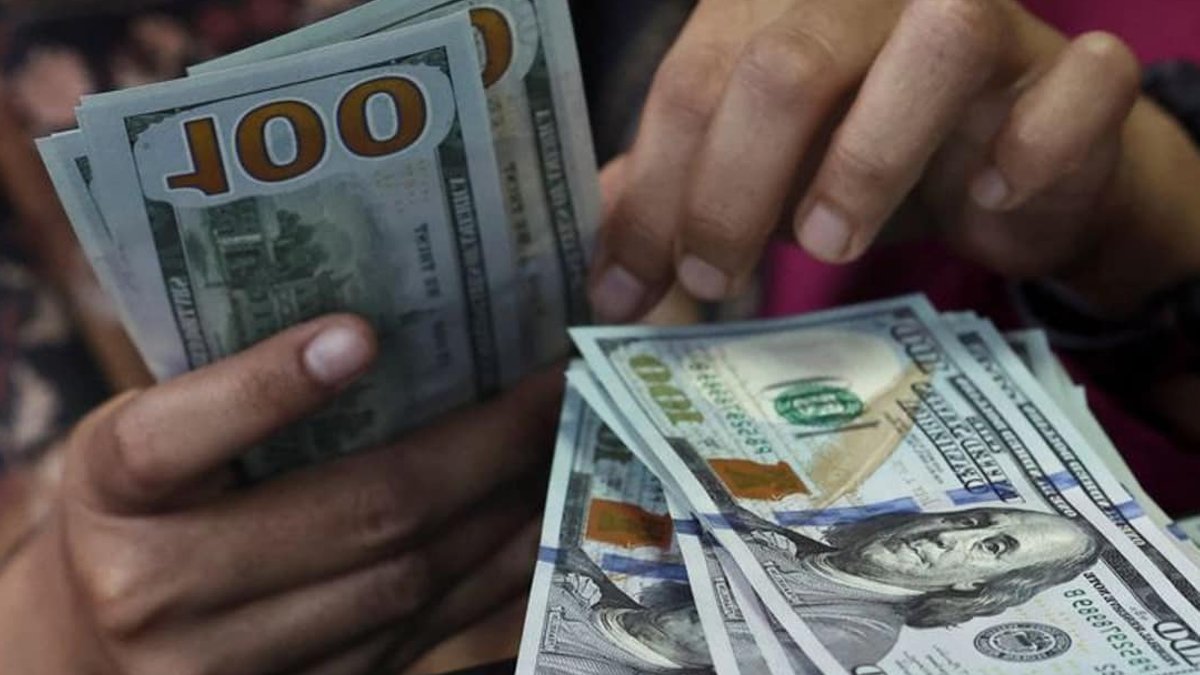
On Monday, the dollar climbed slightly, maintaining its position close to a two-month peak. This rise was fueled by escalating oil prices and expectations of a more aggressive Federal Reserve policy. Investors are closely monitoring the escalating tensions between the United States and Iran, which have driven Brent crude futures above $106 per barrel. Additionally, the currency drew strength from robust U.S. economic fundamentals and higher long-term Treasury yields, both of which have intensified inflation worries.
Shifts in Major Currencies
Both the euro and sterling dipped by 0.1% against the dollar, trading at $1.1379 and $1.3232, respectively. These levels are near their lowest points in several months relative to the dollar. The dollar index, which gauges the U.S. currency against a group of other major currencies, edged up to 101.15. This positions the index for a 1.7% increase in September, its strongest monthly performance since June.
The yen fell by 0.3%, reaching 157.7 per dollar. It had strengthened on Friday following a conversation between Japan’s Finance Minister Satsuki Katayama and U.S. Treasury Secretary Scott Bessent. They reiterated concerns over the yen’s undervaluation and pledged to enhance cooperation between the two nations. The Australian dollar slipped by 0.07% to $0.7017, while the New Zealand dollar remained steady at $0.5661.
Anticipated Central Bank Actions
The Reserve Bank of Australia is projected to increase interest rates by 25 basis points to 4.60% on Tuesday, a level not seen in nearly 15 years. This is expected to mark the final rate hike in its current tightening cycle. Meanwhile, the offshore yuan weakened to 6.7235 per dollar after a three-day meeting between U.S. President Donald Trump and Chinese President Xi Jinping failed to produce significant public progress on key disputes.
Markets are pricing in a 65% likelihood of a Federal Reserve rate hike at its next meeting in late October, according to CME Group’s FedWatch tool. Attention will shift to upcoming U.S. economic data, including the PCE Index on Wednesday and non-farm payrolls on Friday, both of which are expected to support further policy tightening. Sim Moh Siong, an FX strategist at OCBC, noted, “The greenback could overshoot in the near term if energy market tensions persist and inflation risks continue to build.” The bank maintains its forecast for a moderate dollar rally by year-end.


