


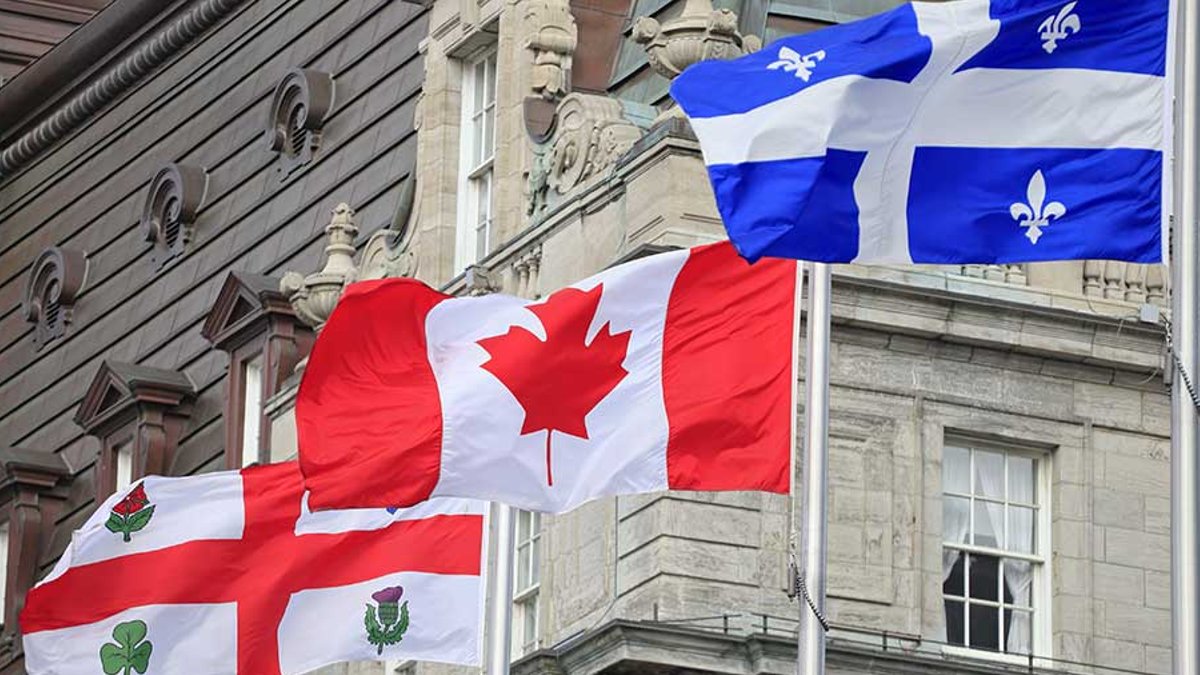
The Parti Quebecois (PQ) won Quebec’s provincial elections, pledging to hold a referendum on leaving Canada once Donald Trump is no longer US president. This outcome challenges Prime Minister Mark Carney’s vision of national unity. The PQ’s victory comes amid a trade war and annexation threats from the United States, adding complexity to Canada’s political scene.
Despite falling short of a majority, the PQ’s win reshapes Canada’s political scene. The results make PQ leader Paul Saint-Pierre Plamondon, a 49-year-old lawyer known by his initials as PSPP, Quebec’s next premier. This shift occurs just two weeks before Alberta, another Canadian province, votes on its own potential exit from Canada, further highlighting national tensions.
A divided vote and economic concerns
The separatists secured only around 30% of the vote, but vote-splitting among federalist parties tilted the outcome in their favor. At a victory celebration in Montreal, supporters chanted, “Quebec is a country.” The partial results show the fragmented political scene in Quebec, where no single party dominates.
One voter, Felix Marineau, a 26-year-old oil worker, defended the referendum push, stating, “We have the right in a democracy to pose the question (to leave Canada),” adding, “Being against an independence referendum is being against democracy.” However, others, like Alexia Gomez, a 19-year-old first-time voter, expressed concerns about vulnerability if Quebec secedes, citing political, economic, and military risks amid tensions with the United States.
Read Also: Oil Falls as G7 Releases Reserves, Middle East Exports Rise
Language, immigration, and monarchy
The PQ’s resurgence after over a decade in opposition reflects frustration over affordability and a desire to protect the French language in an increasingly anglophone Canada. Surveys indicate only 30% of Quebecers support independence, but Plamondon remains committed to a referendum, ruling out any action until at least 2029. He emphasizes the need for informed and calm debate, free from the influence of unpredictable foreign leaders like Trump.
The party’s stance on immigration, particularly cuts for non-French speakers, has drawn criticism. Lydie Periard, a 22-year-old student, expressed concern, calling the PQ’s approach “populist.” Meanwhile, Plamondon’s plans to target the British monarchy resonate more widely, with 87% of Quebecers expressing no attachment to it in a 2025 poll. Only 31% viewed King Charles III favorably, reflecting widespread dissatisfaction with the monarchy’s role in Quebec.
Quebec has previously held two independence referendums. While federalists won decisively in 1980, the 1995 vote was extremely close, with 50.58% opting to remain in Canada. The narrow margin highlights the enduring divide over Quebec’s future.


