


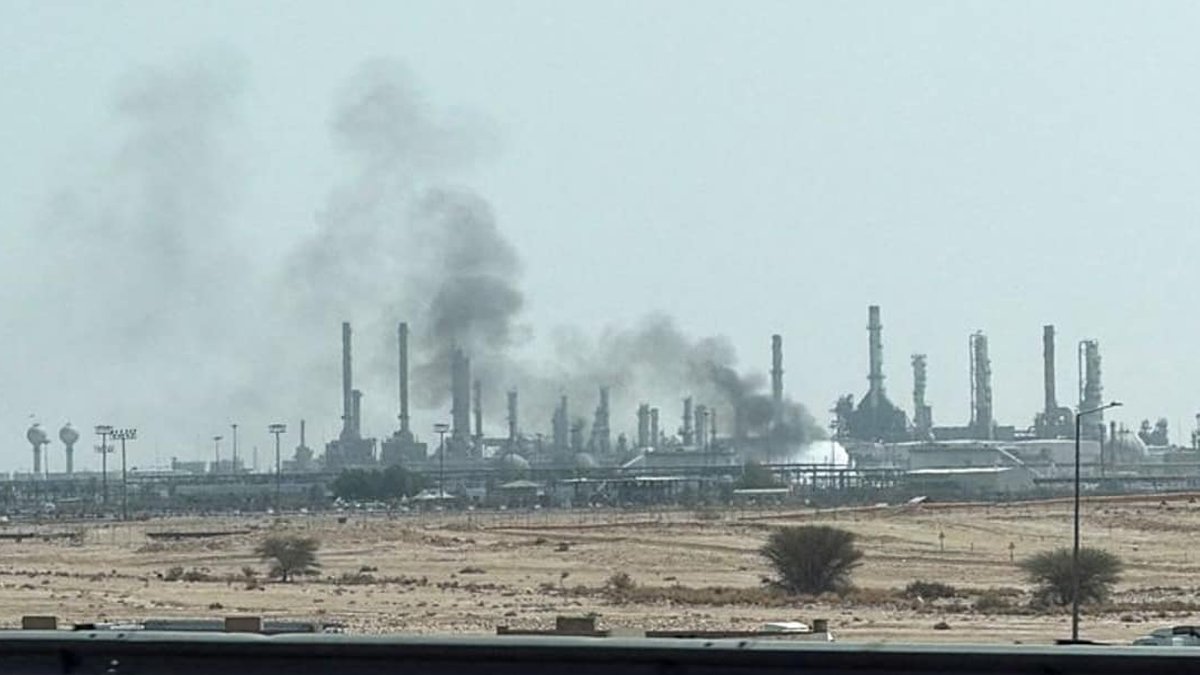
Oil prices slipped on Monday as rising Middle East crude exports and a planned release of strategic reserves by the Group of Seven nations increased global supply, easing concerns over Gulf infrastructure damage from the ongoing US-Israeli conflict with Iran. Brent crude futures dropped 72 cents, or 0.71%, to $101.59 a barrel, while US West Texas Intermediate fell $1.05, or 1.2%, to $90.05 a barrel.
G7 Oil Release Boosts Supply
The G7 countries agreed last Friday to release 100 million barrels of diesel and crude from emergency reserves, following pressure from US President Donald Trump. This move added to already rising Middle Eastern exports, which surpassed pre-war levels in four of the seven days during the final week of September, according to shipping data. ICE gasoil futures surged over 2% to $1,390.25 a barrel.
“The G7 decision to tap strategic reserves is taking some of the immediate supply anxiety out of the price, while there’s a growing view that Saudi export volumes are moving back toward pre-war levels, even if those barrels are still moving at higher cost and via less efficient routes,” said Tim Waterer, chief analyst at KCM Trade. That combination is enough to subside prices for now even though the risks of further damage to energy infrastructure around the Gulf region haven’t gone away.
Middle East Exports Rise Despite Attacks
The Houthis launched ballistic missiles and drones at Saudi Aramco facilities in Riyadh and the Khurais area in response to recent Saudi-led air and missile strikes in Yemen. Saudi Arabia had not confirmed the attacks. Meanwhile, the company unexpectedly cut November crude prices for Asian buyers to six-year lows.
Despite ongoing attacks on vessels in the Strait of Hormuz, Middle Eastern crude shipments rebounded, indicating that key producers are finding ways to maintain export flows. The increase in supply provided immediate relief to a market grappling with geopolitical uncertainty and fears of prolonged disruption.
Market Reactions and OPEC+ Delays
Brent prices remained above $100 per barrel, supported by persistent geopolitical tensions and increased attacks on commercial shipping in the Gulf, according to ING analysts. OPEC+ postponed a review of 2027 oil output quotas after the Iran conflict disrupted expansion projects across the Middle East, creating uncertainty about future production capacity, two sources close to the matter told Reuters.


