


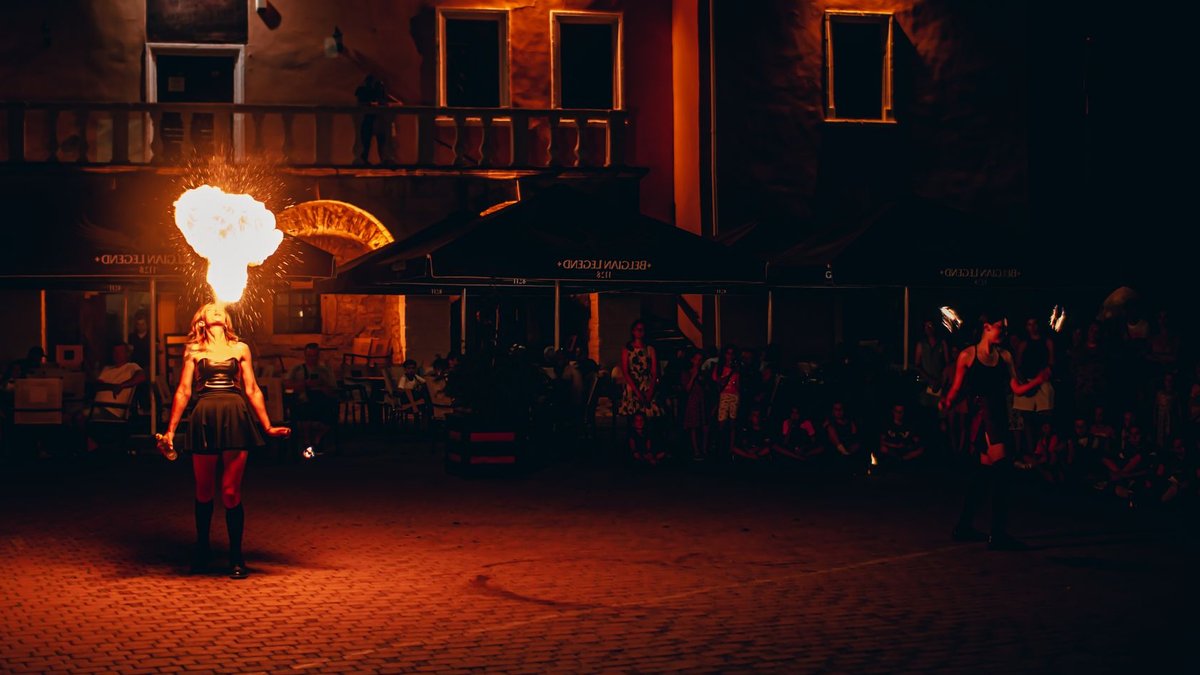
Nightlife is fading from urban environments, and a recent historical study suggests its disappearance could alter culture in ways comparable to the invention of fire. The decline is already underway, with data revealing steep losses across major cities.
Between 2013 and 2024, the United Kingdom permanently closed more than half of its nightclubs. France has lost 70% of its venues since the 1980s, while Italy saw a 50% reduction since 1990. In the United States, nearly half of all gay bars vanished in the past decade alone. These closures mark a sharp reversal from earlier eras when nighttime spaces thrived as cultural incubators.
From Club Closures to Ancient Roots
Historian Imogen Willetts traces the roots of nightlife to humanity’s first mastery of fire, which transformed darkness from a threat into an arena for storytelling, music, and communal celebration. She points to 1657 as a turning point, when Edo’s Yoshiwara district became one of the first places where men could safely wander after dark. There, courtesans with iron-dyed teeth and hair styled with elephant dung created a world of performance and pleasure unlike anything before it.
Read Also: South Africa’s budget surplus defies economic pessimism
By the 1660s, London’s pleasure gardens offered illuminated grottos, live bands, and fireworks, drawing crowds eager for entertainment beyond taverns. This shift from campfires to structured venues mirrors how each technological era reshapes social interaction. Willetts highlights Paris’s Montmartre district, where the Moulin Rouge and artists like Toulouse-Lautrec turned nightlife into a stage for fashion, performance, and avant-garde creativity. Across the Atlantic, New Orleans became the birthplace of jazz, with brass bands turning streets into spontaneous concert halls that defined American music.
Weimar Berlin in the 1920s and early 1930s offered a mix of cabaret, experimental theater, and decadent clubs—a scene that collapsed under Nazism. Meanwhile, Harlem’s Prohibition-era speakeasies served “smoke,” a dangerous liquor blend that fueled underground culture despite the law. By the 1950s and 1960s, Las Vegas and Havana became gangster-controlled playgrounds, blending opulence with organized crime intrigue. The 1970s disco boom, driven by figures like Andy Warhol, turned clubs into spaces of escapism, fashion, and drug-fueled dance, reviving urban energy.
Smartphones Stall Nightlife Evolution
Willetts argues that since 1995, nightlife has stagnated, with the 1990s techno aesthetic dominating warehouses and clubs with little innovation. Smartphones, she notes, have reduced spontaneity by encouraging documentation and fear of viral exposure, creating what she calls “flake culture” that discourages risk-taking after dark. The future of nightlife, she suggests, depends on reclaiming the original promise of uninhibited fun, self-expression, and connection that fire once sparked.
Read Also: SpaceX posts first profit, Musk backs Tesla merger
Today’s 24-hour gyms, escape rooms, and coffee shops flourish while traditional night venues shrink, reflecting a shift toward low-risk, predictable evening activities. A clear sign of this change is the continued dominance of 1990s electronic dance music in clubs—a genre that has seen minimal evolution since the mid-1990s.
Fire’s Legacy in Human Storytelling
Anthropologists support Willetts’ view that fire control turned night into a space for communal storytelling, language practice, and imaginative play. The flickering light provided safety for sharing myths and developing early narrative skills. Later, elaborate costumes, rhythmic movement, and instruments built on these rituals, with dance steps and musical patterns emerging from firelit gatherings.
Historians link iconic cultural forms to nocturnal venues. Jazz rhythms, the Charleston’s energetic kicks, the cancan’s high-kicking spectacle, and disco’s pulsating beats all originated on illuminated dance floors. Visual art movements also drew from nightlife’s energy, with Dada’s provocations, surrealism’s dreamlike works, and Japan’s ukiyo-e prints all inspired by tavern and club exchanges.


