


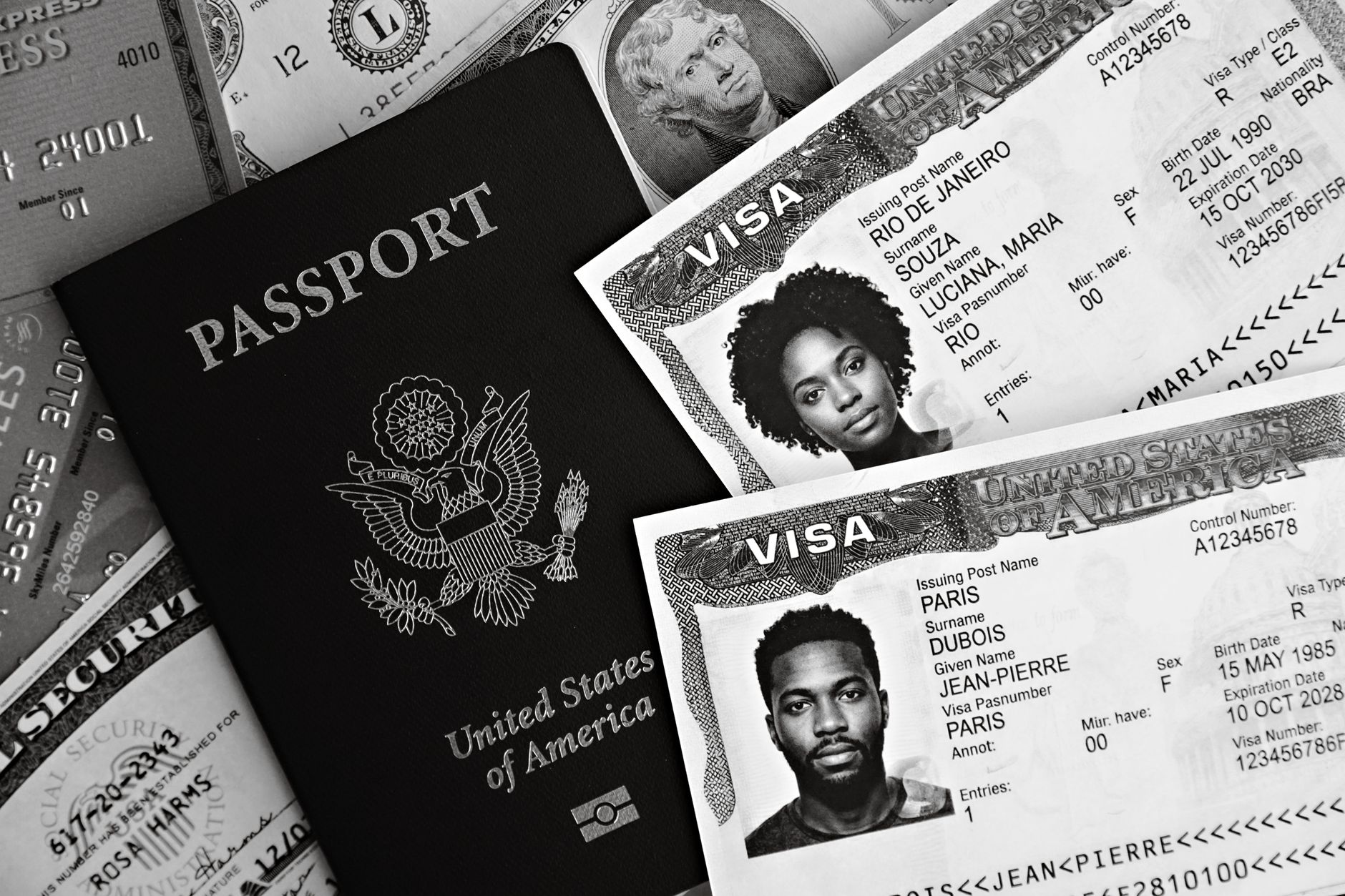
The Trump administration has made a visa bond program permanent, allowing U.S. consular officers to require some foreign visitors to post refundable security deposits of up to $20,000 before receiving business or tourist visas.
This new State Department regulation replaces a one-year pilot program introduced in 2025 and is scheduled to take effect on August 3.
The administration says the policy successfully reduced visa overstays and should become a permanent immigration enforcement tool.
Visa Bond Program Details
The visa bond program is an executive branch regulation issued by the Department of State under authority already contained in the Immigration and Nationality Act.
Section 221(g)(3) of the act allows consular officers to require a Maintenance of Status and Departure Bond to ensure that a visitor leaves the United States or complies with the conditions of admission.
The Trump administration did not create this authority; it created regulations governing when and how it will be used.
A future president cannot simply announce that the program has ended; instead, the administration would have to direct the State Department to begin another federal rulemaking process to amend or repeal the regulation.
Related: Fauci investigations and hearings timeline: 2020–2026
Consular Officers’ Discretion
One common misconception is that every traveler from a covered country must pay the bond.
That is not what the regulation says; instead, consular officers may require a bond for applicants covered by the program, and the decision is made individually by the interviewing officer.
The final rule states that consular officers “may require covered nonimmigrant visa applicants to post a bond” as a condition of visa issuance.
The word “may” gives officers discretion rather than creating an automatic requirement.
Applicants who demonstrate strong ties to their home country, established travel histories, or other evidence that they will return home may not be asked to post a bond.
Conversely, applicants whom officers consider to present a higher risk of overstaying their visas may be required to provide one.
Program Objectives
According to the State Department, the 2025 pilot produced sufficient evidence that visa bonds improve compliance with U.S. immigration rules.
Related: Deborah Stotler shapes modern employee benefits
The department concluded that the pilot demonstrated the operational feasibility of administering the program jointly with the Departments of Homeland Security and the Treasury and that visa bonds are an effective enforcement mechanism.
The program applies only to certain B-1 business and B-2 tourist visa applicants from designated countries.
Future of the Program
Because the visa bond program is now embedded in federal regulations rather than operating as a temporary pilot, a future administration would need to complete a formal rulemaking process to rescind or substantially modify it.
Until that occurs, consular officers would continue to have legal authority to require refundable visa bonds from eligible applicants under the State Department’s permanent rule.
Visa Bond requirements are outlined in the Immigration and Nationality Act Section 221(g)(3).
The permanent regulation raises the maximum refundable bond from $15,000 under the pilot to $20,000.
A bond does not guarantee visa issuance.


