


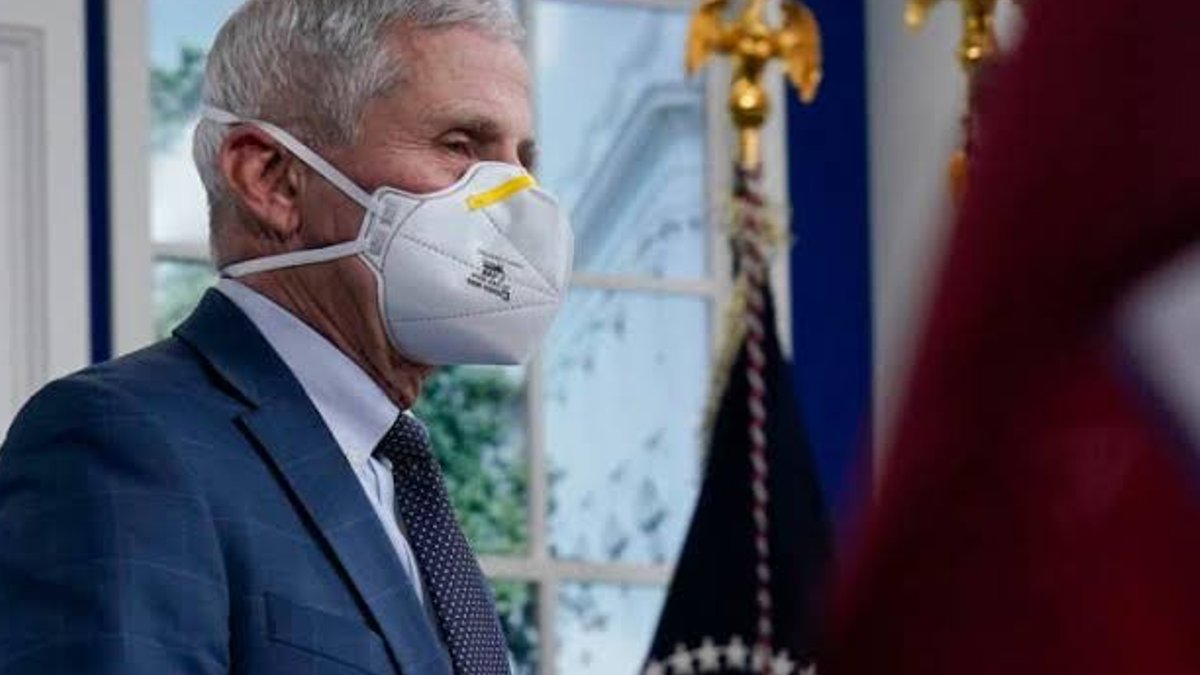
The Senate hearing in which Dr. Anthony Fauci repeatedly invoked the Fifth Amendment did not emerge in isolation. It was the culmination of more than six years of congressional scrutiny, political confrontation and legal debate over the federal government’s response to the COVID-19 pandemic. While Dr. Fauci became one of the most trusted public health officials for many Americans during the pandemic, he also became one of the nation’s most controversial government figures, with Republican lawmakers accusing him of misleading Congress, while supporters argue he became the target of politically motivated investigations.
COVID-19 Reaches the United States
The Trump administration establishes the White House Coronavirus Task Force. Dr. Anthony Fauci, Director of the National Institute of Allergy and Infectious Diseases (NIAID), becomes one of the administration’s principal scientific advisers alongside Deborah Birx, CDC Director Robert Redfield and Vice President Mike Pence. Initially, public health officials describe the risk to Americans as relatively low while emphasizing that the situation is evolving.
The virus arrived on American soil just as a contentious presidential election approached, injecting a layer of political pressure into the public health response. By the time the election concluded, the death toll was rising sharply, and the task force was operating under a microscope. This early phase set the stage for the friction that would define Dr. Fauci’s relationship with Congress over the following years, as the transition of power from the Trump administration to the Biden administration did little to cool the political temperature.
Related: Unleashing Potential: The Power of Team Building Events
Themes from Six Years of Scrutiny
Republicans continue seeking greater transparency regarding the origins of the virus. Scientists remain divided over whether the pathogen emerged naturally or through a laboratory-related incident. U.S. intelligence agencies have reached differing assessments, and no definitive conclusion has been established. Critics argue federal recommendations changed too frequently, which they say eroded public trust. Supporters respond that evolving scientific evidence required updated guidance. Some lawmakers argue public health agencies became overly influential during national emergencies, while others contend scientific advisers were placed in politically impossible positions during an unprecedented crisis. Republicans maintain Congress has a constitutional obligation to investigate federal decision-making. Democrats argue repeated investigations increasingly reflect partisan conflict rather than the discovery of new evidence.
Although Dr. Fauci has retired from government service, congressional scrutiny appears likely to continue. Potential next steps include possible contempt proceedings, if pursued by Senate Republicans; continued document reviews related to COVID-19 research funding; and broader investigations into pandemic preparedness and federal public health decision-making. Whether these efforts uncover new evidence or further entrench political divisions remains uncertain. What is clear is that the debate over Dr. Anthony Fauci’s role in the pandemic has evolved far beyond questions of epidemiology. It has become a broader contest over executive authority, scientific expertise, congressional oversight, and public trust in government institutions.
Dr. Anthony Fauci took the Fifth Amendment at a recent Senate hearing, invoking his constitutional right against self-incrimination during testimony regarding his government service. This action marked a significant moment in his long career as a public health leader. The event highlights the intense scrutiny he has faced, which mirrors the challenges described in a recent analysis of how high-profile figures handle such legal battles. [2]
Dr. Fauci’s tenure was marked by shifting scientific advice and evolving federal guidance, creating a complex legacy.


