


The U.S. Food and Drug Administration has granted accelerated approval to Tudriqev (vusolimogene oderparepvec-wtpg), a genetically modified oncolytic viral therapy for the treatment of advanced, refractory melanoma. Tudriqev is indicated in combination with nivolumab for the treatment of adult patients with unresectable advanced cutaneous melanoma who experienced disease progression with a programmed death receptor-1 (PD-1)-blocking antibody-based regimen.
The approval is supported by data from a clinical trial showing that one in four patients responded to treatment, with responses lasting a median of nearly 14 months, offering clinicians a meaningful new tool for a patient population.
Karim Mikhail, Acting Director of the Center for Biologics Evaluation and Research, said: “For patients with advanced melanoma that has stopped responding to PD-1 blocking therapy, the prognosis is often devastating, and options have been far too limited.”
Tudriqev is an oncolytic viral therapy based on a modified herpes simplex virus type 1 (HSV-1) that is engineered to selectively target and destroy cancer cells. Once inside a tumor, the virus replicates and breaks cancer cells apart, while simultaneously triggering the body’s immune system to recognize and attack the cancer.
Related: Justice Department Settles With Connecticut Children’s Over Gender Care
When used in combination with nivolumab, an anti-PD-1 immunotherapy, Tudriqev may help restore an anti-tumor immune response in patients whose cancer had previously stopped responding to immunotherapy.
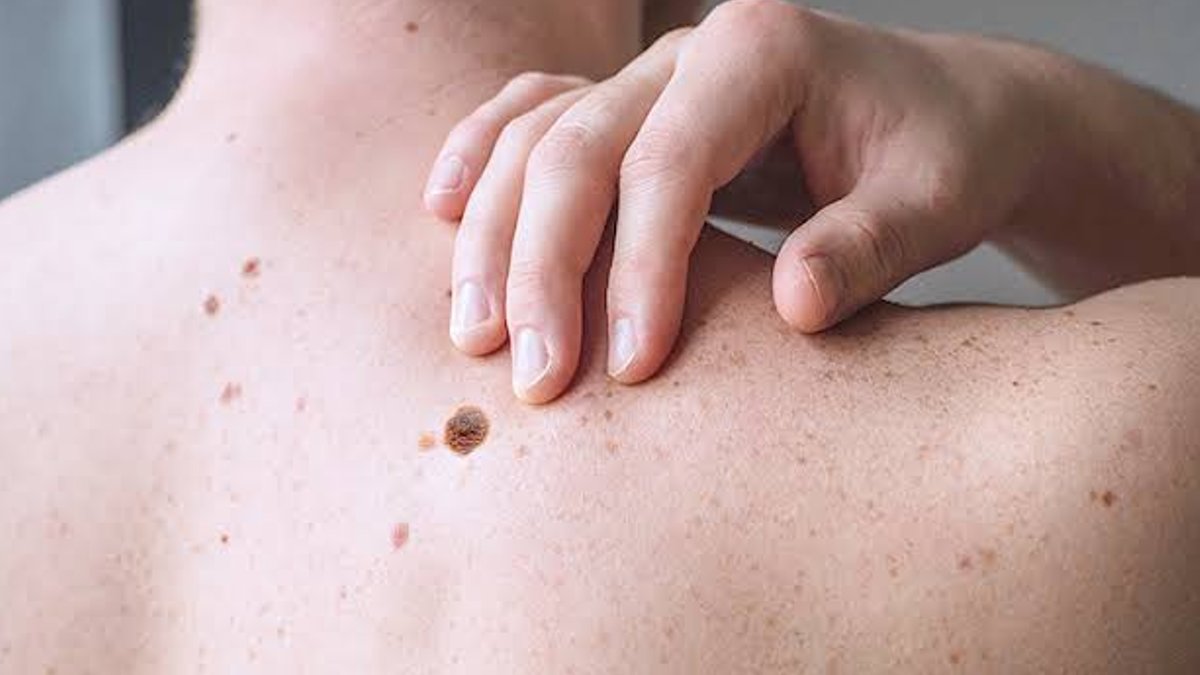
Most people have 10 to 40 moles — small, dark brown spots — on their body. Although most moles are harmless, they can become cancerous in rare cases.
Catherine A. Degesys, a dermatologist, recommends that people with a personal or family history of skin cancer, risk factors such as extensive sun exposure, blistering sunburns or tanning bed use, or those who have suspicious-looking lesions should come in for an exam.
There are two main categories of skin cancer: melanoma and nonmelanoma skin cancer. Within the nonmelanoma skin cancer category, the two most common types are basal cell carcinoma and squamous cell carcinoma.
Related: Unleashing Potential: The Power of Team Building Events
The safety and effectiveness of Tudriqev were evaluated in an open-label, multiregional, single-arm trial enrolling 140 adult patients with Stage IIIB, IIIC or IV unresectable advanced melanoma who experienced disease progression on at least eight consecutive weeks of prior anti-PD-1-based therapy.
In the trial, 91 patients were evaluated and 24% of patients achieved an objective response. Responses had a median duration of 14.1 months.
As the FDA continues to approve new treatments for advanced melanoma, these therapies could lead to improved outcomes for patients who have limited options. However, it’s also important to consider the potential risks and benefits of these treatments and to carefully evaluate the evidence supporting their use.
The most common adverse reactions reported in more than 10% of patients were fatigue, fever, infections, chills, musculoskeletal pain, nausea, diarrhea, injection site reaction, headache, cough, influenza-like illness, rash, vomiting, itching, arthralgia, constipation, decreased appetite, dizziness, dyspnea, hemorrhage, edema, and abdominal pain.
Related: Water Depot Helps Businesses Market Through Bottles
Skin cancer is the most common cancer in the U.S. There are several types of skin cancer, but melanoma is known to be most dangerous because it spreads more easily to other areas of the body. Around 100,000 people will be diagnosed with invasive melanoma in the U.S. this year.
Dr. Degesys says melanoma risk factors include having skin cancer in the past, having first-degree relatives who have had melanoma, a history of tanning bed use or blistering sunburns, and history of immunosuppression or reduced immune system.
Having lighter skin tones is a significant risk factor for melanoma. However, people with darker skin tones can get melanoma too. While only 1 out of 1,000 Black individuals gets melanoma, they are usually diagnosed when the cancer is in its later stages, when it’s harder to treat.
To avoid skin cancer like melanoma, limiting exposure to ultraviolet (UV) radiation from sunlight is critical. Dr. Degesys recommends staying out of the sun during times when the sun is strongest, wearing wide-brimmed hats, sunglasses, long-sleeved shirts or rash guards when possible, and applying sunscreen often.


