


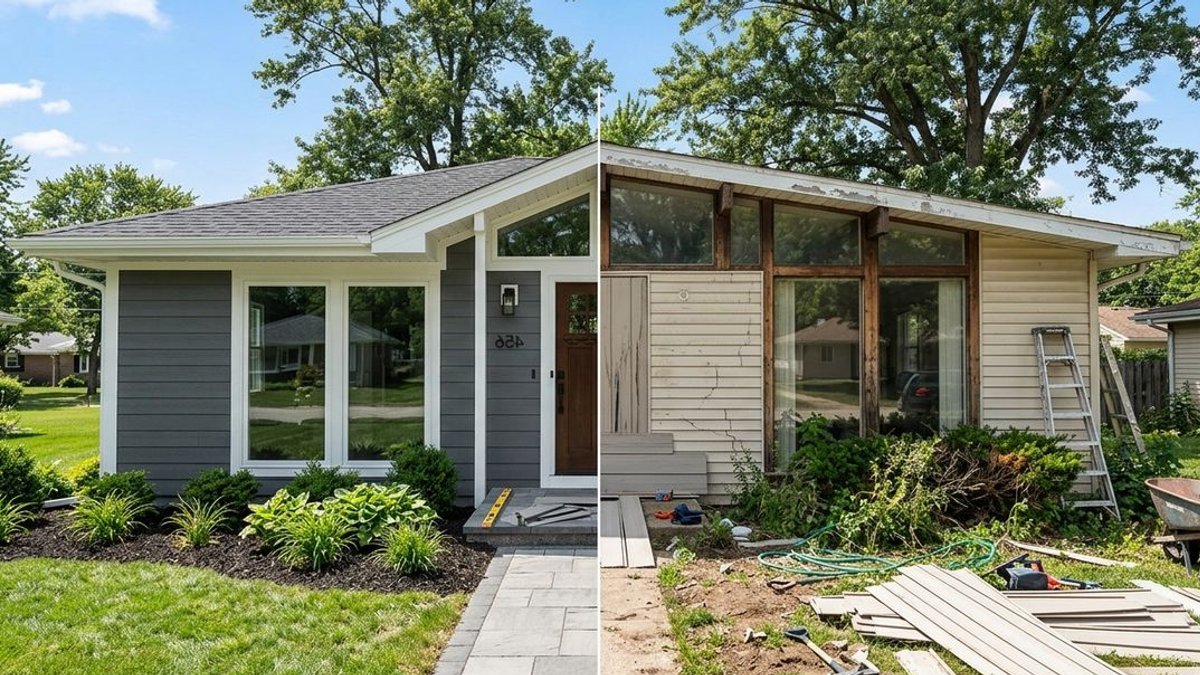
Successfully overseeing a collection of rental properties extends well beyond purchasing assets and collecting rent payments each month. For self-managed landlords and real estate investors, the ability to retain tenants forms the foundation of predictable income streams. High turnover rates create financial strain through extended vacancies, repeated advertising costs, and frequent cleaning requirements.
Developing strategies to support extended tenancies represents one of the most effective approaches for maintaining stability in a small-scale real estate operation. When property owners implement thoughtful improvements that enhance daily living conditions, they attract responsible tenants who maintain the property and renew their leases.
Prioritizing Practical and Eco-Conscious Property Enhancements
Today’s renters increasingly prioritize energy efficiency, both to limit environmental impact and to control monthly utility expenses. Landlords can achieve significant savings through relatively simple modifications, such as sealing door frames, installing water-saving toilet mechanisms, and adding aerators to faucets. These changes reduce water consumption and heating demands while lowering the property’s overall carbon footprint—a factor that appeals to environmentally conscious tenants.
Property managers can explore cost-effective sustainability solutions through resources available at Greenrenters.org. The platform offers guidance on making modest, high-impact improvements that promote sustainable living without increasing operational costs. Such upgrades also help preserve the physical condition of the building over time.
High-efficiency fixtures reduce strain on plumbing systems, while properly sealed windows and doors prevent moisture damage to walls. Choosing paints with low volatile organic compounds and selecting durable flooring from renewable sources improves indoor air quality and creates a more appealing first impression for prospective tenants.
Read Also: Small teams find ideal project tools
Adapting Properties to Current Renter Expectations
Before committing to renovations, landlords should analyze how tenant needs have shifted in recent years. With more residents working remotely, engaging in home-based activities, and hosting gatherings, functional space has become more valuable than decorative enhancements.
Existing floor plans can be optimized to create dedicated functional zones with minimal investment. Designating a well-lit corner with sufficient electrical outlets transforms into an effective workspace. Similarly, expanding closet organization through modular shelving, adjustable hanging rods, and pull-out storage systems can make compact units appear more spacious and orderly. These modifications require limited labor but deliver measurable improvements in livability.
Investors can identify popular design elements and layout preferences by reviewing current listings on idreamhomez.com. Observing which features attract renters allows property owners to implement comparable upgrades that differentiate their units from standard offerings.
The most common challenge in property management is renovation delays that extend beyond scheduled timelines. Each additional week a unit remains vacant during upgrades represents lost potential income. Landlords must maintain strict scheduling discipline and closely monitor contractor progress and material deliveries. Implementing a visual project timeline helps keep all parties accountable to established deadlines.
Supply chain disruptions frequently cause project setbacks, particularly when specialized components like custom cabinetry or heating systems arrive late. Landlords managing their own maintenance teams should establish systems to detect delays before work stops entirely. Using early warning indicators for potential supply issues allows managers to identify bottlenecks and either secure alternative vendors or adjust work schedules. A basic tracking spreadsheet comparing expected versus actual delivery dates often resolves most issues.
Read Also: Independent Travel Agencies Craft Authentic Regional Itineraries
Clear communication with contractors is equally critical. Before setting final move-in dates, landlords should obtain realistic completion estimates from tradespeople. Including a small buffer period in renovation schedules prevents handing over keys while final touches like trim work or paint touch-ups remain incomplete. For example, landlords might request detailed phase-by-phase timelines from contractors and review progress weekly to ensure accountability.
Standardized Turnover Inspection Checklist for Rental Units
Consistency separates disorganized landlords from sustainable rental enterprises, prompting the use of a standardized inspection checklist for each vacancy. A systematic walk-through evaluates essential systems, ensuring minor component wear does not develop into costly emergency calls during tenancy. The checklist focuses on core residential components, guiding managers to address safety, plumbing, security, ventilation, and electrical elements before new occupants move in. By applying this uniform process, landlords reduce the likelihood of unexpected repairs and maintain a predictable maintenance budget.
Inspectors test smoke alarms, carbon monoxide detectors, and fire extinguishers to confirm functional batteries and operational sensors. They examine plumbing supply lines beneath bathroom and kitchen sinks, around water heaters, and behind laundry equipment for slow drips or corroded fittings. Exterior door latches, deadbolts, and window locks are checked to verify security and tight weather seals against drafts. Ventilation duct registers are cleaned and air filters replaced to sustain efficient airflow and protect heating and cooling units.
Electrical wall receptacles, light switches, and ground-fault circuit interrupters in kitchens, bathrooms, and utility areas are tested for proper function. Each completed inspection is documented with concise notes and dated photographs, creating a transparent record of unit condition. New occupants receive a welcome packet explaining the water shut-off valve location, breaker reset procedure, thermostat operation, and local waste collection schedule. Prompt, professional responses to routine repair requests reinforce tenant confidence and encourage long-term tenancy, reducing turnover and revenue loss.


