


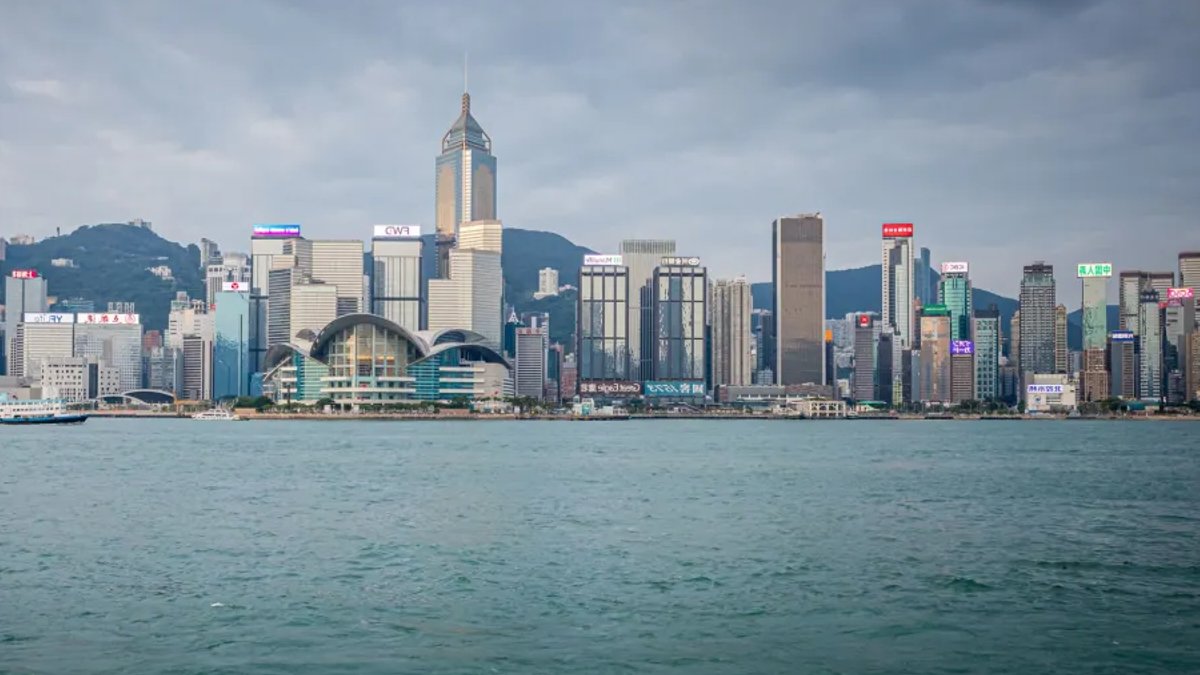
The study, Capital Meets Cargo, draws a clear distinction between a maritime center, where individual deals are executed, and a maritime capital, where broader decisions on cargo routes, capital allocation, and risk management are made.
The document illustrates how a single cargo movement, such as transporting 180,000 tonnes of iron ore from Port Hedland to Caofeidian, triggers a complex web of financial and logistical instruments. These include a Capesize fixture, letters of credit, insurance policies, bunkering agreements, charter parties, and hedging contracts. Such decisions do not occur solely at ports but require a centralized hub where key stakeholders can allocate capital, evaluate risk, and oversee operations.
Hong Kong possesses significant strengths, including its geographic proximity to Mainland China, a well-established common-law legal framework, deep capital markets, and its position as a leading offshore renminbi center. However, the report warns these advantages alone will not guarantee its role as a decision-making hub. To succeed, the city must demonstrate its ability to attract businesses for high-stakes maritime strategies, such as fleet management, chartering, and trade financing, rather than merely serving as a transactional point.
Competition in Asia’s maritime sector is expanding beyond traditional hubs like Singapore and London, with growth extending across ASEAN, Belt and Road markets, and the Gulf. This shift means multiple centers can emerge as dominant players. Hong Kong’s opportunity lies in positioning itself as a bridge between China and global capital, but its future hinges on decision density, how frequently businesses rely on the city for critical choices in cargo, finance, and fleet operations.
Financing trends are also undergoing transformation. Lenders now prioritize customer commitments and credit quality over ship values alone, directing capital closer to active trade flows. Additionally, the energy transition favors those who balance technical feasibility with commercial practicality. Advances in lower-emission shipping and digital tools will gain traction where they address clear customer and operational needs, not just theoretical potential.
A persistent challenge remains: a shortage of qualified onshore maritime professionals. The report emphasizes the need for stronger collaboration between industry players and universities, along with clearer career pathways between seafaring roles and land-based positions. Without addressing this gap, Hong Kong risks losing skilled workers to competitors offering both experience and job stability.
The findings align with Hong Kong’s broader strategic planning. The government’s 2026 Policy Address and the city’s first Five-Year Plan outline its economic direction, but the report stresses that progress will require coordinated effort. No single group, whether government, businesses, or educational institutions, can achieve this alone.


